


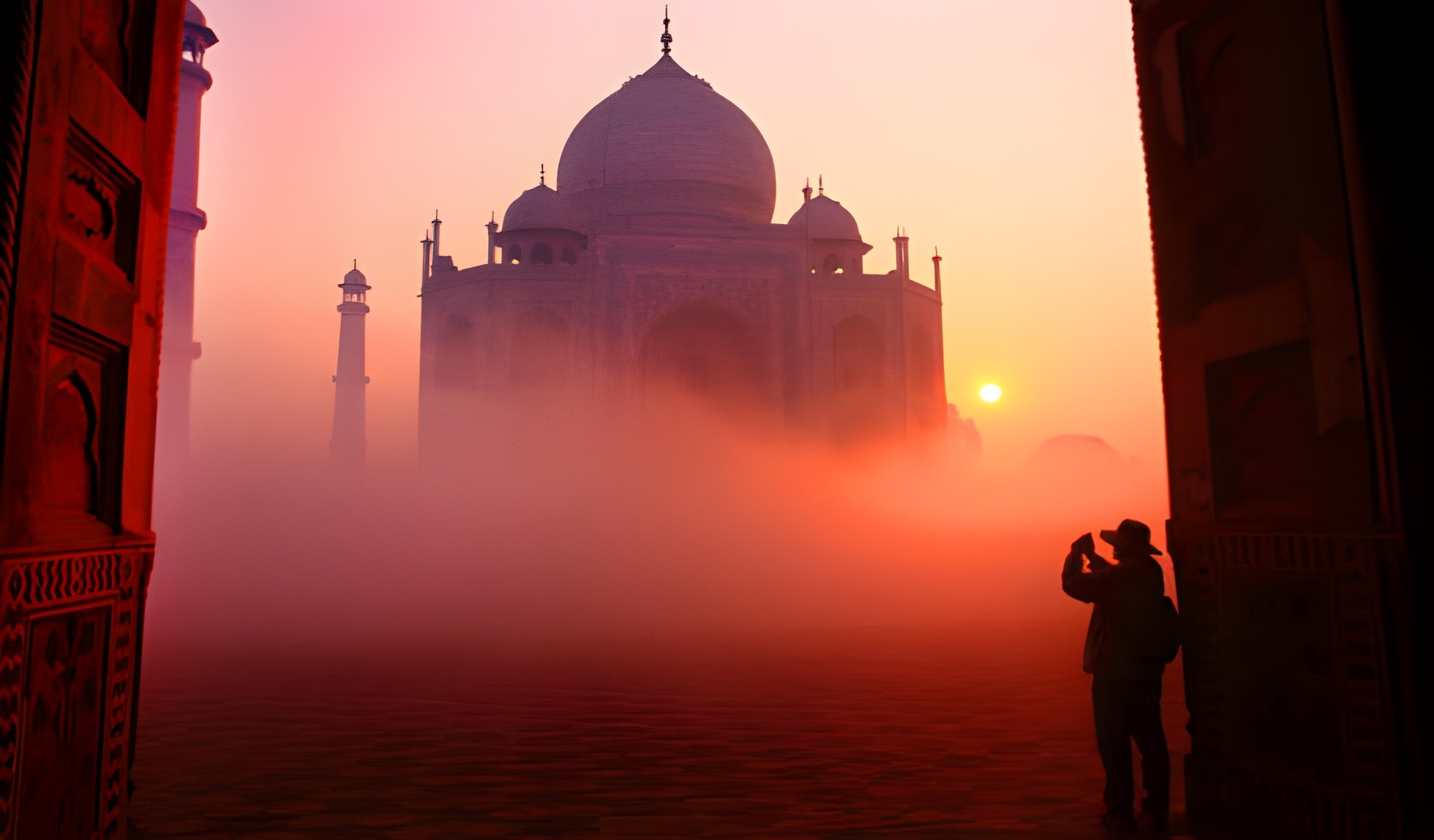
The Taj Mahal is known worldwide as a symbol of eternal love, often linked to Emperor Shah Jahan and his beloved Mumtaz Mahal. However, long before their romance shaped history, another powerful love story blossomed within the Mughal Empire — that of Emperor Jahāngīr and Empress Nūr Jahān. Their extraordinary relationship not only transformed royal traditions but also influenced the art and architecture that ultimately inspired the Taj Mahal itself.
The Emperor Who Loved Art and Beauty
Born as Prince Salim, Jahāngīr, the son of Emperor Akbar, grew up surrounded by culture and creativity. He was passionate about nature, fine art, and poetry. Therefore, when he ascended the throne in 1605, he promoted an era of cultural refinement and aesthetic innovation. Yet, despite his success as a ruler, his heart found true fulfillment only when he met Mehr-un-Nissa, who would later become Nūr Jahān, meaning “Light of the World.”
The Rise of Nūr Jahān
Nūr Jahān’s journey was as fascinating as it was inspiring. Although she was not born into royalty, her intelligence, elegance, and confidence soon set her apart. When Jahāngīr met her in 1611, their connection was immediate and profound. From that moment, their love story became one of the most remarkable in Mughal history.
Moreover, Nūr Jahān was far more than a queen. She became Jahāngīr’s trusted partner in governance, art, and diplomacy. In fact, she issued royal decrees, designed fashion styles for the court, and even had coins minted in her own name — an unprecedented honor for a Mughal empress.
A Love That Redefined Mughal Aesthetics
Together, Jahāngīr and Nūr Jahān elevated Mughal art to new heights. Their shared taste for beauty inspired the creation of magnificent gardens, palaces, and mosques that blended Persian grace with Indian elegance. One of their most stunning contributions was the Tomb of Itimad-ud-Daulah in Agra — often referred to as the “Baby Taj.”
This exquisite marble tomb, commissioned by Nūr Jahān for her father, introduced many of the artistic features later perfected in the Taj Mahal. As a result, historians often view it as the architectural bridge between Jahāngīr’s era and Shah Jahan’s golden age of construction.
A Legacy Carried Forward
Eventually, Jahāngīr’s son, Shah Jahan, carried forward this legacy of love and artistry. His devotion to Mumtaz Mahal culminated in the creation of the Taj Mahal — a monument that symbolizes both romance and royal grandeur. Yet, it is essential to remember that the seeds of this timeless beauty were planted during the reign of Jahāngīr and Nūr Jahān. Their vision of elegance and balance laid the foundation for everything that followed.
Visit the Taj Mahal — Where Love Lives Forever
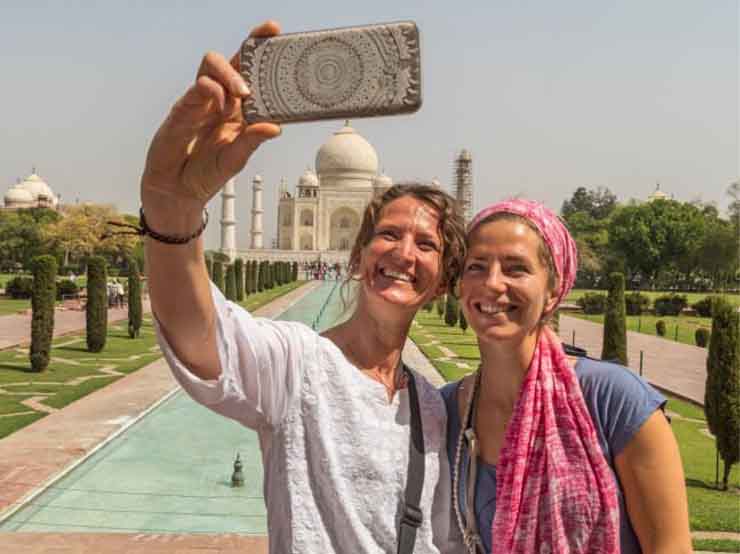
When you visit the Taj Mahal, you witness not only Shah Jahan’s devotion but also the spirit of an empire built on love, creativity, and harmony. Each arch, dome, and marble carving reflects centuries of passion and craftsmanship passed down through generations.
Therefore, if you wish to experience this world wonder in person, book your visit now at Ticketstajmahal.com. The website allows you to purchase Taj Mahal tickets online, skip long queues, and enjoy a seamless entry to one of the world’s greatest monuments.





Comment (0)